Find Your Perfect Hiking Boots: A Trail-Tested Buying Guide
Choosing the right hiking boots isn’t just about looks; it’s about comfort, safety, and making every mile on the trail more enjoyable. A poor choice can lead to blisters, rolled ankles, or simply make you dread your hike. Investing time in finding the perfect pair pays dividends in adventure.
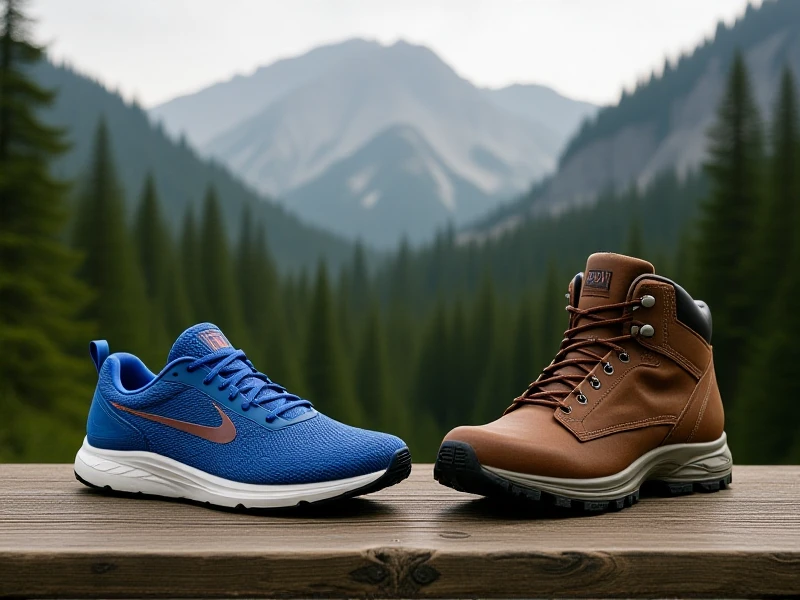
The first, crucial decision is boot style. Lightweight hiking boots or trail shoes are superb choices for well-groomed paths or day hikes. They offer flexibility and require less breaking-in. Backpacking boots, built with stiffer midsoles and higher ankle support, are essential if you're carrying a heavier pack or tackling rough, uneven terrain. For the most demanding expeditions, mountaineering boots provide ultimate support, stiffness for traversing snow or rock, and insulation – though they are heavier and less necessary for typical trails.
Waterproofing is often a top priority. A hiking boot featuring a membrane like GORE-TEX® or a proprietary brand keeps your feet dry crossing streams, hiking in damp conditions, or encountering unexpected rain. Remember, while highly effective, no membrane is 100% foolproof in prolonged submersion. If you hike exclusively in dry climates, breathable, non-waterproof boots might keep your feet cooler and reduce sweating.
The true foundation of any great boot is its outsole. Seek deep, multi-directional lugs made from durable, sticky rubber compounds like those found on Vibram® soles. These provide the critical grip needed on slippery rocks, loose dirt, and muddy slopes, enhancing your stability and confidence with every step. Equally important is how the boot feels on your foot. It should fit snugly around the heel and midfoot to prevent slipping without pinching. Ensure ample room in the toe box – your toes should move freely and never press against the front, especially on steep descents. Trying boots on in the afternoon when feet are naturally larger is wise. Always wear the type of hiking socks you plan to use during the fitting.
Don't underestimate weight. Heavier boots provide more support but can feel cumbersome over long distances. Lighter options increase agility but may lack the protection for rocky, technical ascents. Consider the typical weight of your pack (a lighter load often means you can wear a lighter boot) and the distances you cover.
Finally, a quality pair of hiking boots deserves proper care. Clean off mud after hikes, let them air dry naturally (never near direct heat sources), and reapply waterproofing treatments periodically to maintain their resistance. Treat them well, and they'll provide essential support and protection for countless miles. Take the time to choose wisely, break them in gradually on shorter walks, and step out on your next trail adventure supported and ready.