Finding Your Perfect Pair: The Science of Running Shoes
The right running shoes transform your stride from painful to powerful. Whether training for a marathon or hitting neighborhood trails, understanding shoe technology ensures peak performance and injury prevention. Here's what runners need to know:
Anatomy Matters
Modern running shoes feature engineered layers:
- Upper: Lightweight mesh boosts breathability; seamless designs reduce blisters.
- Midsole: EVA or polyurethane foam compresses on impact, returning energy. Heel-to-toe drop (6mm-12mm) affects posture.
- Outsole: Carbon rubber grips pavement; blown rubber flexes on trails.
Match Your Mechanics
Overpronators benefit from structured stability foam that prevents ankle roll. Neutral runners gain speed with lightweight cushioning. Brands like Brooks and ASICS offer gait analysis tools via store apps to identify your arch type.
Road vs. Trail Tech
- Road runners: Prioritize cushioning. Newton Racing’s forefoot lugs propel toe-off, while HOKA’s Meta-Rocker geometry aids heel-to-forefoot transitions.
- Trail monsters: Deeper lugs (e.g., Salomon Speedcross) conquer mud, with toe guards shielding against rocks.
Sustainability Strides
Top brands now integrate eco-innovation:
- Adidas uses Parley ocean plastics in uppers
- Allbirds’ SweetFoam™ is carbon-negative
- On Running’s Cyclon™ model is 100% recyclable
Maintenance Myths
Rotate two pairs to let foam decompress—replacing shoes every 300-500 miles prevents joint strain. Hand washing preserves glue integrity; stuffing with newspaper prevents shape loss.
Ultimately, ignore hype cycles. Test shoes at specialty stores during late-afternoon runs when feet swell. Your perfect pair isn’t defined by colorways—it’s the whisper-quiet landing and rebound that makes miles disappear.
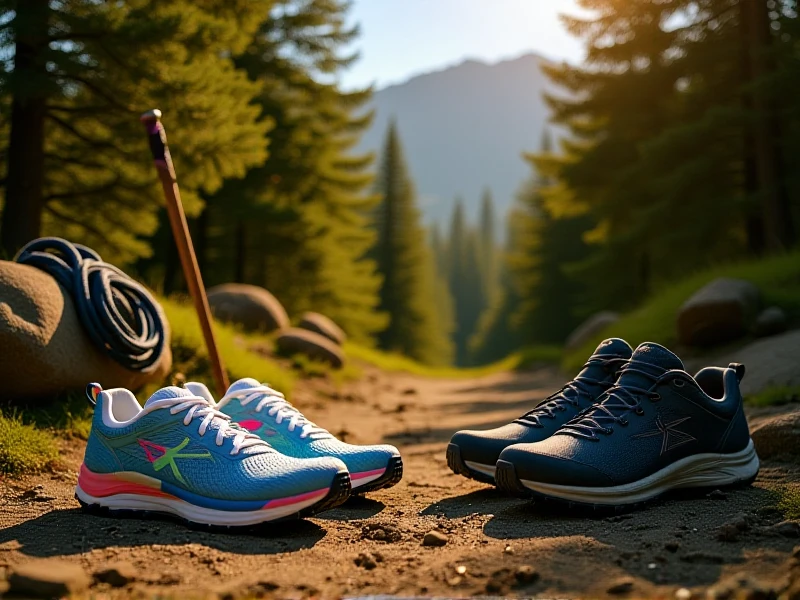
(Alt text suggestion: Runner’s foot landing mid-stride in blue trail shoes on forest path)