Finding Your Perfect Pair of Running Shoes: A Runner's Essential Guide
Selecting the right running shoes isn’t just a purchase – it’s an investment in your performance, comfort, and injury prevention. With countless options flooding the market, understanding what makes a running shoe truly work for your feet can transform your running journey.
First, identify your foot type and gait. Are you an overpronator (foot rolls inward), underpronator (foot rolls outward), or neutral runner? Visiting a specialty running store for gait analysis takes the guesswork out. Staff often watch you run on a treadmill, recommending stability shoes for overpronation, cushioned shoes for underpronation, or neutral running shoes for efficient strides.
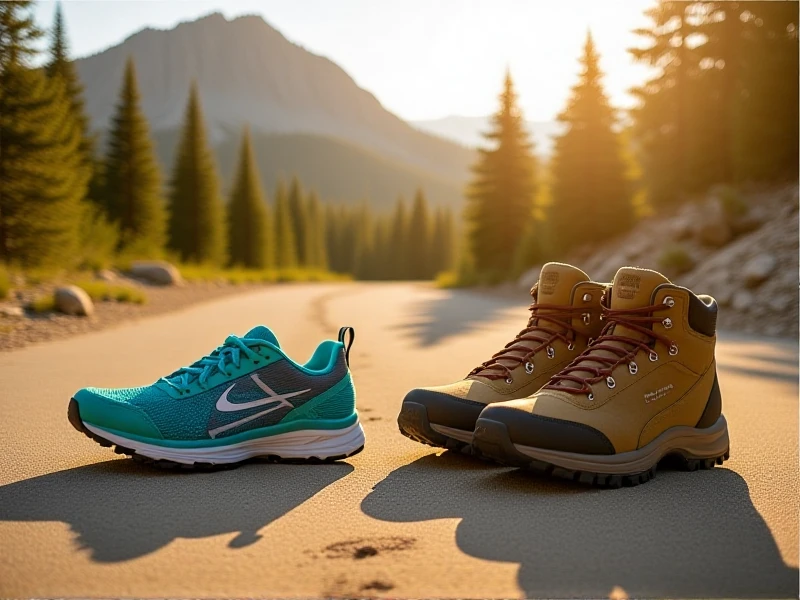
Next, consider terrain and mileage. Road running shoes feature lightweight, responsive cushioning for pavement pounding. Trail running shoes, built with aggressive tread and durable uppers, tackle rocky paths. Your weekly distance matters too – high-mileage runners need maximum shock absorption, while speed-focused athletes might prefer minimalist "racing flats".
Fit remains king. Always try shoes later in the day when feet swell slightly. Aim for a thumb’s width of space at the toe, ensuring no heel slippage. Test them on an in-store track if possible – or order from retailers with generous return policies. Materials like breathable mesh and reliable lacing systems, such as BOA or traditional eyelets, enhance lockdown and ventilation.
Don’t ignore wear patterns. Rotate between two pairs to extend longevity and replace running shoes every 300-500 miles. Notice uneven sole erosion? It might signal a need for different support. Remember, top brands like Nike, Brooks, and Hoka offer diverse tech, but the “best” is highly personal.
Ultimately, the ideal running shoes feel like an extension of your feet – supportive yet nimble. Prioritize comfort over trends, and you’ll conquer miles with confidence. Ready to find your match? Your next PR awaits.